The year 2025 has seen brands push beyond traditional tactics, redefining what makes the best product sampling campaigns truly effective. Today, it’s not just about distribution, but about context, timing and relevance.
The most successful campaigns combine strong audience insight with the right channels, placing products into real-life moments where consumers are most receptive.
Here are some of the best product sampling campaigns of 2025, and what makes them stand out.
The Home Chef Discovery Campaign
A gourmet sauce brand partnered with meal kit providers to include its products in thousands of home deliveries. By integrating the product directly into the cooking experience, the campaign became part of consumers’ routines rather than an interruption.
This is a strong example of how FMCG product sampling can drive both immediate trial and long-term recall when placed in the right environment.
Our approach to campaigns like this is grounded in data-led product sampling marketing in Australia, ensuring products appear in environments where consumers are most engaged, as demonstrated through data-led sampling↗.
The Fitness Fuel Campaign
A health food company launched a protein bar with a campaign built around gyms and fitness studios. By placing bars in post-workout recovery zones, the brand ensured consumers tried the product when they were most receptive.
As one of the best product sampling campaigns targeting active lifestyles, it highlights the effectiveness of CPG sampling programs designed for highly specific demographics.
The Luxury Travel Experience Campaign
A luxury skincare brand reached premium consumers by partnering with Airbnbs and boutique hotels. Travel-sized product samples were placed in guest rooms, transforming the product from a simple giveaway into a luxury amenity.
This is a prime example of Airbnb product sampling campaigns, showing how sampling can elevate brand perception through curated, high-end placements.
The Campus Essentials Campaign
A snack brand tapped into the student demographic by distributing products in custom-branded bags during orientation weeks and exam periods. By associating the product with moments of high need, the campaign fostered strong affinity and positive sentiment.
As a product sampling campaign, it demonstrates how thoughtful distribution in the right environment can drive long-term loyalty among younger audiences.
Alcohol sampling that creates experiences
Alcohol brands are increasingly moving toward experience-led sampling, where products are embedded into social environments rather than distributed in isolation.
A standout example of an alcohol sampling campaign we delivered at Blobfish International was the Heineken activation in Melbourne↗, where we designed a beer-and-boat experience that immersed consumers in the brand instead of presenting it as a traditional sample.
This campaign shows how alcohol sampling can create memorable, shareable moments that go beyond trial to build brand connection.
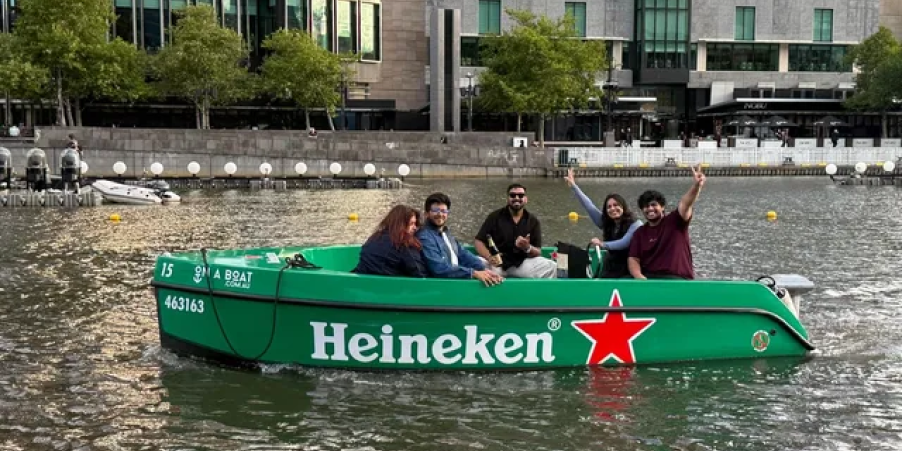
Heineken’s “beer and boat” activation reimagines alcohol sampling through immersive, experience-led environments that drive engagement and brand recall. View article ↗
On-the-go convenience campaigns
Convenience-driven campaigns are quickly becoming some of the best product sampling campaigns, particularly when integrated into everyday behaviours like food delivery and rideshare.
A strong example of an on-the-go convenience campaign from Blobfish International was the Civilization VII activation↗, where sampling was built into food delivery experiences, allowing the brand to show up naturally within everyday routines rather than as a disruption.
These activations are excellent examples of Uber product sampling and DoorDash product sampling, channels that continue to grow as part of innovative product sampling marketing strategies.
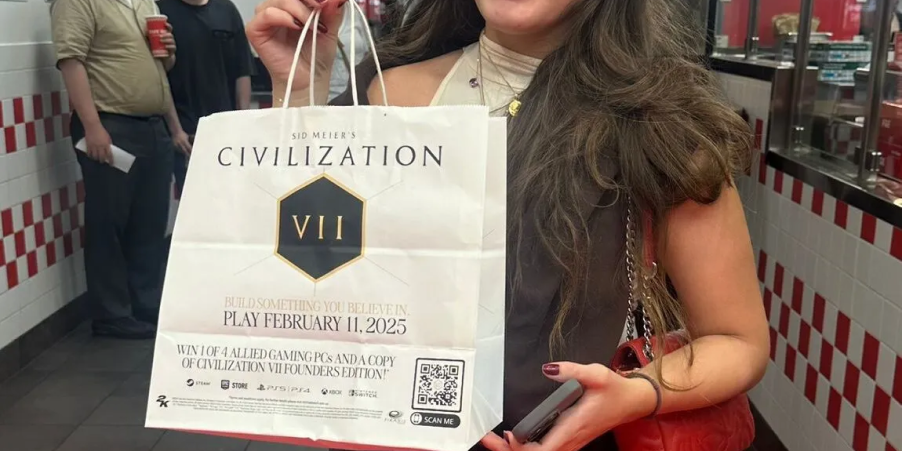
The Civilization VII campaign demonstrates how on-the-go sampling through food delivery channels can seamlessly integrate brands into everyday consumer behaviour. View article ↗
Why these campaigns stood out
The best product sampling campaigns of 2025 share a few defining characteristics:
- Context over convenience
- Audience-first targeting
- Seamless brand integration
- Measurable, data-led outcomes
This shift reflects a broader move we’re seeing across product sampling marketing in Australia, as explored through modern sampling strategies↗, where brands are evolving beyond traditional distribution models.
By focusing on real-world environments and intentional placement, brands are creating stronger, longer-lasting impressions through product sampling marketing strategies.